
How To Reduce Pain After Sex
In this blog, we will talk about how to reduce pain after sex.
Pain after sex can feel confusing, frustrating, and isolating. Many people assume discomfort is normal, something they should push through, or simply the cost of intimacy after childbirth, surgery, or years of stress. The truth is: pain after sex is common, but it is not normal—and it is absolutely treatable.
I’m Megan Rome, pelvic floor physical therapist and owner of Rome Physical Therapy in Charleston, SC. I specialize in helping women understand their bodies, identify the true root of their symptoms, and feel confident in intimacy again. To reduce pain after sex, we first need to understand what structures are involved, how the pelvic floor works, and why different types of pain feel the way they do.
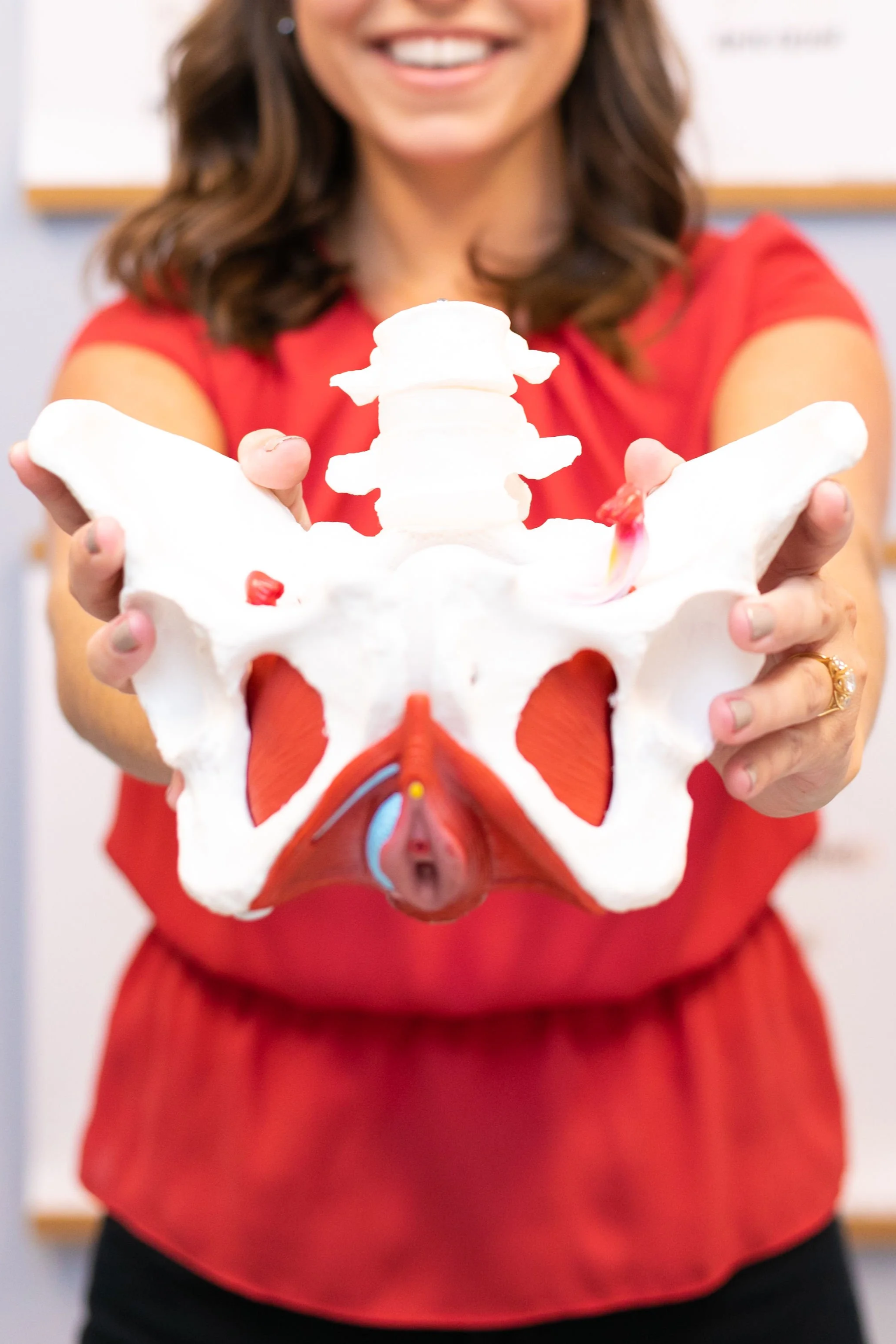
What is the Pelvic Floor?
The pelvic floor is a group of muscles that sit at the bottom of your pelvis, forming a supportive hammock. These muscles support your bladder, bowel, and reproductive organs, and they play a critical role in:
Sexual function and comfort
Bowel and bladder control
Core stability and posture
Pregnancy, childbirth, and postpartum recovery
The pelvic floor is not one single muscle—it is made up of multiple layers that work together. When one or more of these layers become tight, weak, overworked, or uncoordinated, pain during or after sex can occur.
Understanding which layer is contributing to your pain is key to reducing symptoms.
The Different Layers of the Pelvic Floor
The pelvic floor is often described in three main layers: the superficial (first) layer, the deeper layer, and the deepest supportive layer. For simplicity, we’ll focus on the two layers most commonly involved in painful intercourse.
The First (Superficial) Layer: Sharp, Burning, or Tearing Pain
The first layer of the pelvic floor includes the muscles closest to the vaginal opening. These muscles surround the entrance to the vagina and are heavily involved in penetration.
When this layer is irritated, tight, or sensitive, pain often shows up right at insertion. Many people describe this pain as:
Sharp or stabbing
Burning or stinging
Raw or irritated
A tearing or splitting sensation
This type of pain may occur with:
Initial penetration
Tampon use
Gynecologic exams
Dilator use
Often, this layer becomes overactive as a protective response. Stress, past pain, trauma, hormonal changes, postpartum healing, vaginal tears during childbirth, or repeated discomfort can cause these muscles to tense automatically. Over time, that tension reduces blood flow, irritates nerves, and increases sensitivity.
When the superficial layer cannot relax and lengthen, penetration becomes painful—and that pain can linger after sex as burning, soreness, or swelling.
How This Contributes to Pain After Sex
If the first layer is tight or irritated, friction during intercourse can inflame the tissue further. After sex, you may notice:
Ongoing burning or irritation
Increased sensitivity at the vaginal opening
Pain with wiping or sitting
Symptoms that last hours or even days
Reducing pain in this layer requires more than stretching—it requires retraining the muscles to unclinch, improving tissue mobility, and calming the nervous system.
The Deeper Layer: The Levator Ani and “Hitting a Brick Wall” Pain
Deeper inside the pelvis lies the levator ani muscle group. These muscles provide internal support and play a major role in pelvic stability, posture, and sexual function.
When the levator ani becomes tight, shortened, or overactive, pain often feels very different than superficial pain. Instead of sharp or burning sensations, people commonly describe:
Deep, achy pain
A rigid or pressure-like sensation
Feeling like penetration is “hitting a wall”
Pain with deeper thrusting
Increasing discomfort with prolonged intercourse
This pain is often felt internally, sometimes radiating into the hips, tailbone, low back, or lower abdomen.
Why the Levator Ani Causes Deep Pain
The levator ani muscles sit higher in the vaginal canal. When they cannot lengthen, they restrict space and movement. During deeper penetration or longer periods of intercourse, these muscles may fatigue, spasm, or compress surrounding nerves.
This can result in:
A ridgy or blocked sensation
Deep pelvic pressure
Pain that worsens the longer sex continues
Post-sex soreness or cramping
Because this layer is involved in core stability and breathing, issues here are often linked to posture, chronic tension, high stress levels, weakness surrounding the pelvis, or a history of bracing the core.
How Sexual Positions Can Contribute to Pain
Pain after sex isn’t only about muscle tension—it’s also about positioning. Different sexual positions change how muscles, connective tissues, and organs are loaded, stretched, or compressed.
Increased Muscle Tension or Stretch
Certain positions place the pelvic floor in a lengthened or tension-heavy state. If muscles are already tight or overworked, these positions can increase strain and lead to post-sex soreness.
For example:
Positions that involve deep hip flexion or wide leg spacing may overstretch pelvic muscles
Positions requiring significant core engagement may increase pelvic floor gripping
Prolonged positions without breaks can lead to muscle fatigue and spasm
When tissues are held in these positions for extended periods, pain may not appear immediately—but shows up afterward.
Cervical Sensitivity and Deep Abdominal Pain
For some people, pain after sex is not purely muscular. Certain positions can make the cervix more prominent or vulnerable to contact.
Deep penetration that repeatedly contacts the cervix can cause:
Sharp or deep pelvic pain
Cramping sensations
Abdominal pain that feels similar to period cramps
Discomfort that lasts hours after intercourse
This pain may radiate into the lower abdomen or back and can feel alarming if you’re not expecting it.
Hormonal changes, postpartum anatomy, pelvic floor tension, or uterine positioning can all increase cervical sensitivity. While this pain is common, it is not something you have to tolerate.
Why Pain After Sex Often Lingers
One of the most frustrating aspects of painful intercourse is that the pain doesn’t always stop when sex ends. This happens because:
Tight muscles continue to spasm after activity
Irritated nerves stay sensitized
Reduced blood flow delays tissue recovery
The nervous system remains in a protective state
Without proper treatment, this cycle can repeat—leading to anticipatory tension, avoidance of intimacy, and worsening symptoms over time.
How Pelvic Floor Physical Therapy Can Help

At Rome Physical Therapy, we take a whole-body, hands-on approach to treating pain after sex. That means we don’t just look at symptoms—we assess:
Each layer of the pelvic floor (external and internal)
Muscle tone, strength, and coordination
Breathing patterns and core control
Hip, spine, and postural mechanics
How your body responds in different positions
Treatment may include:
Hands-on manual therapy to reduce muscle tension
Internal and external pelvic floor assessment
Nervous system downtraining
Breathing and relaxation strategies
Position education to reduce strain during sex
Targeted exercises to restore balance and coordination
The goal is not just short-term relief, but lasting change—so sex no longer leads to pain afterward.
You Deserve Comfortable, Confident Intimacy
Ready to Reduce Pain After Sex?
If you’re experiencing pain during or after sex, you don’t have to figure it out on your own. Working with a pelvic floor physical therapist can help identify the specific muscles, tissues, and positions contributing to your pain—and create a clear plan to address it.
At Rome Physical Therapy, we offer one-on-one, hands-on pelvic floor physical therapy in a private setting. Our sessions are longer, individualized, and focused on treating the whole body—not just the symptoms.
Ways to Get Started:
Schedule a pelvic floor physical therapy evaluation by reaching out here
Book a free discovery call to see if pelvic floor PT is right for you
Learn how your out-of-network benefits may apply
We work with women at every stage—from postpartum to menopause—who want lasting relief and confident intimacy.